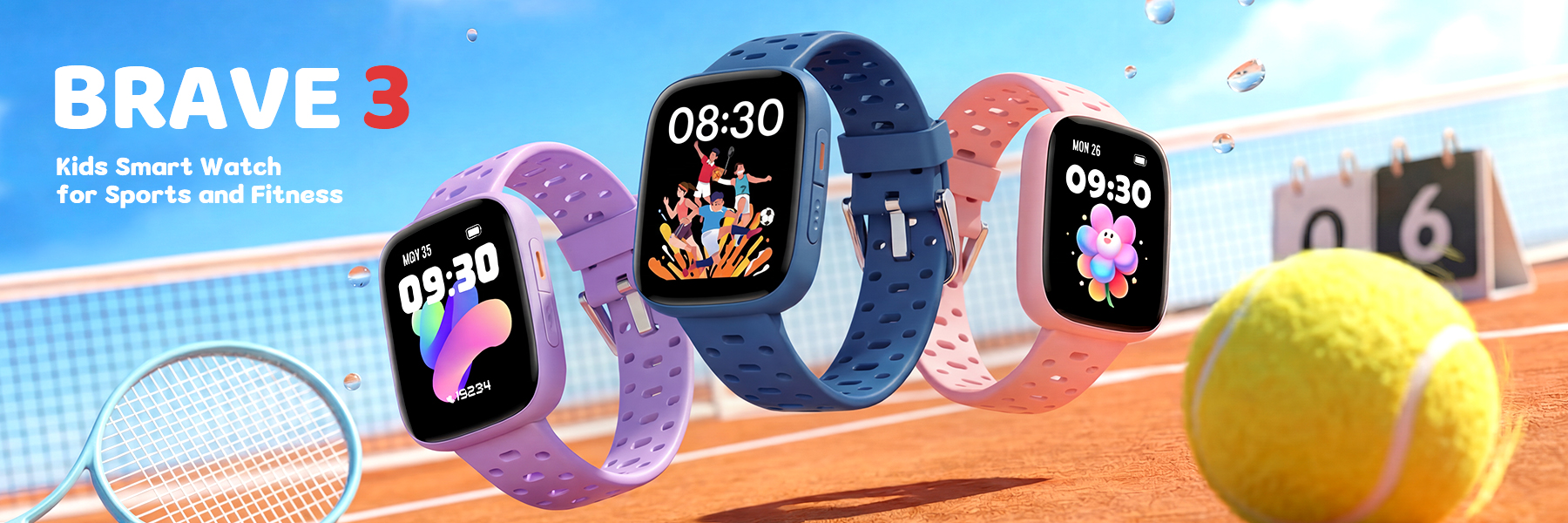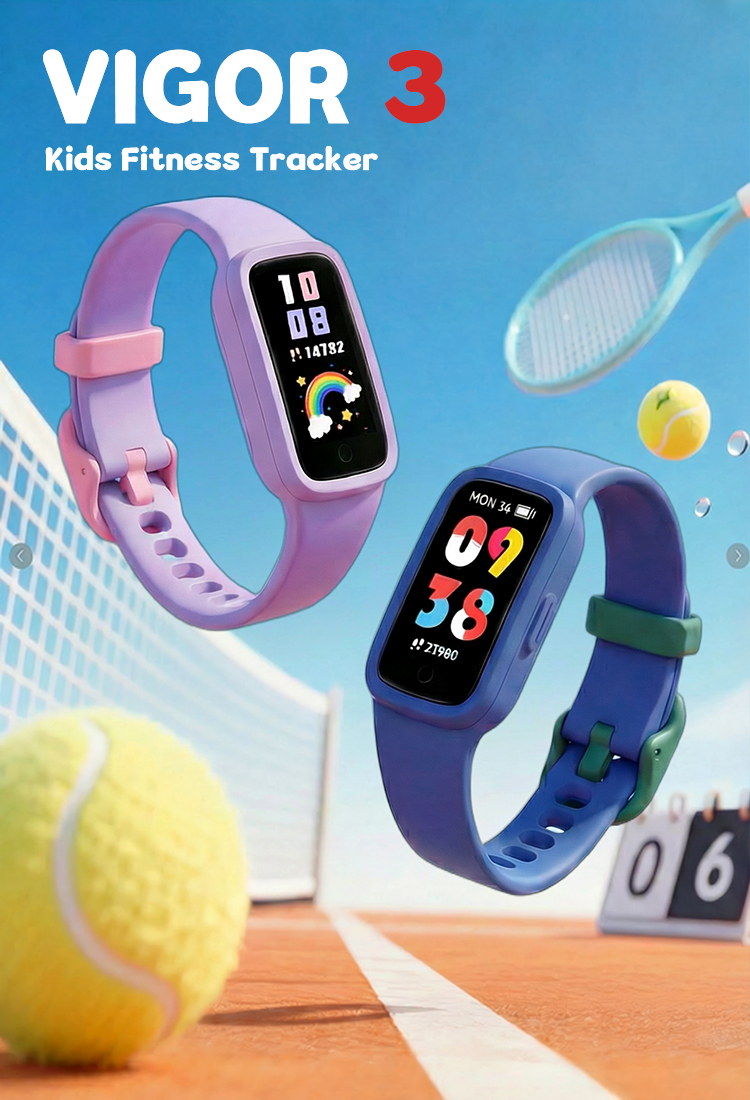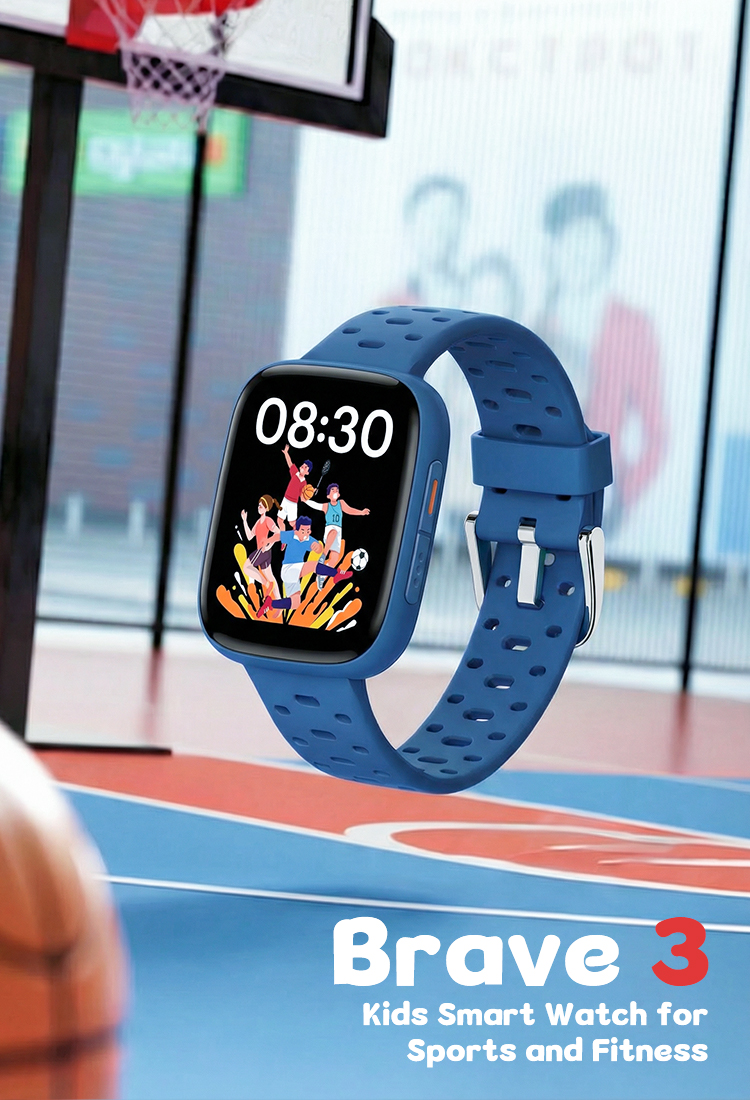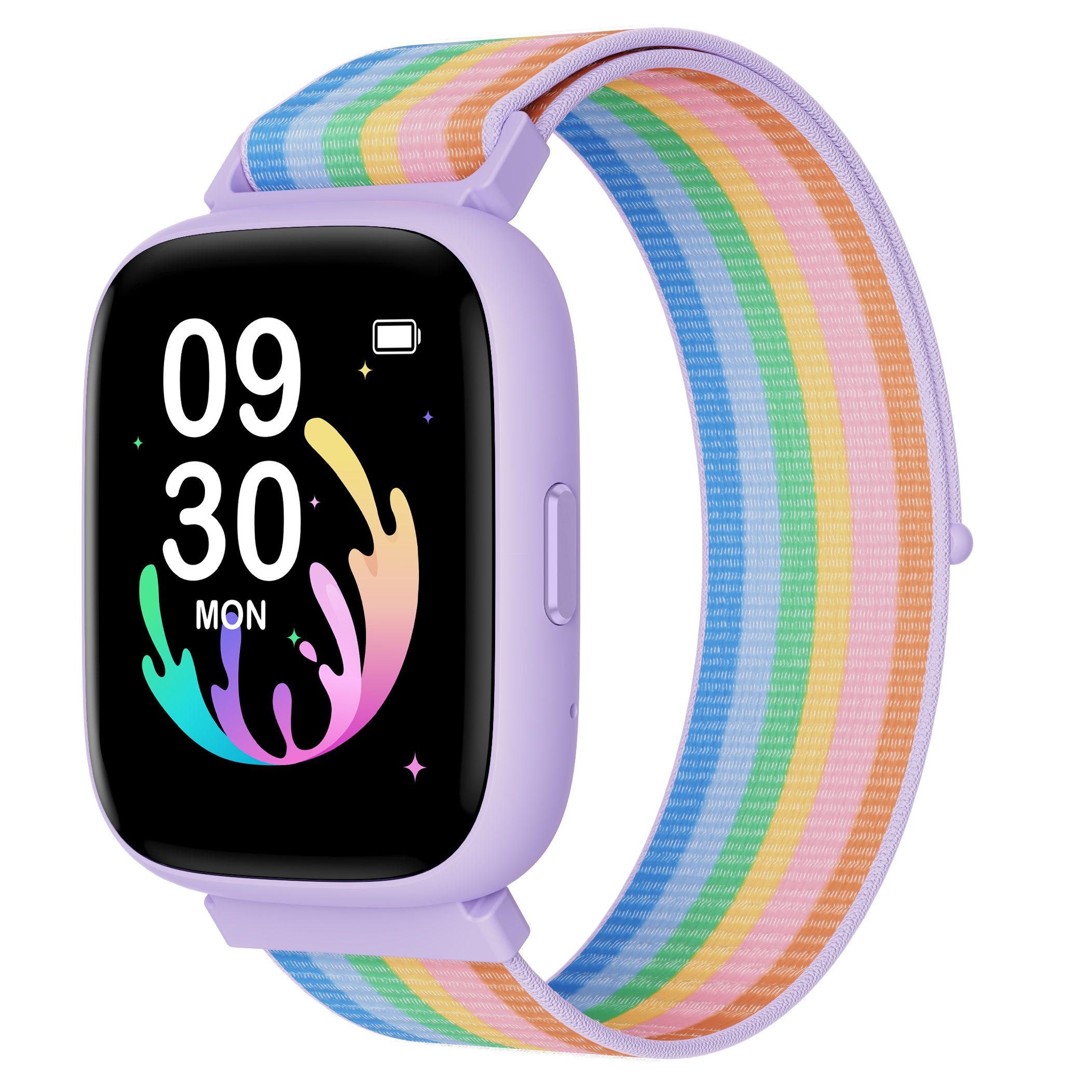
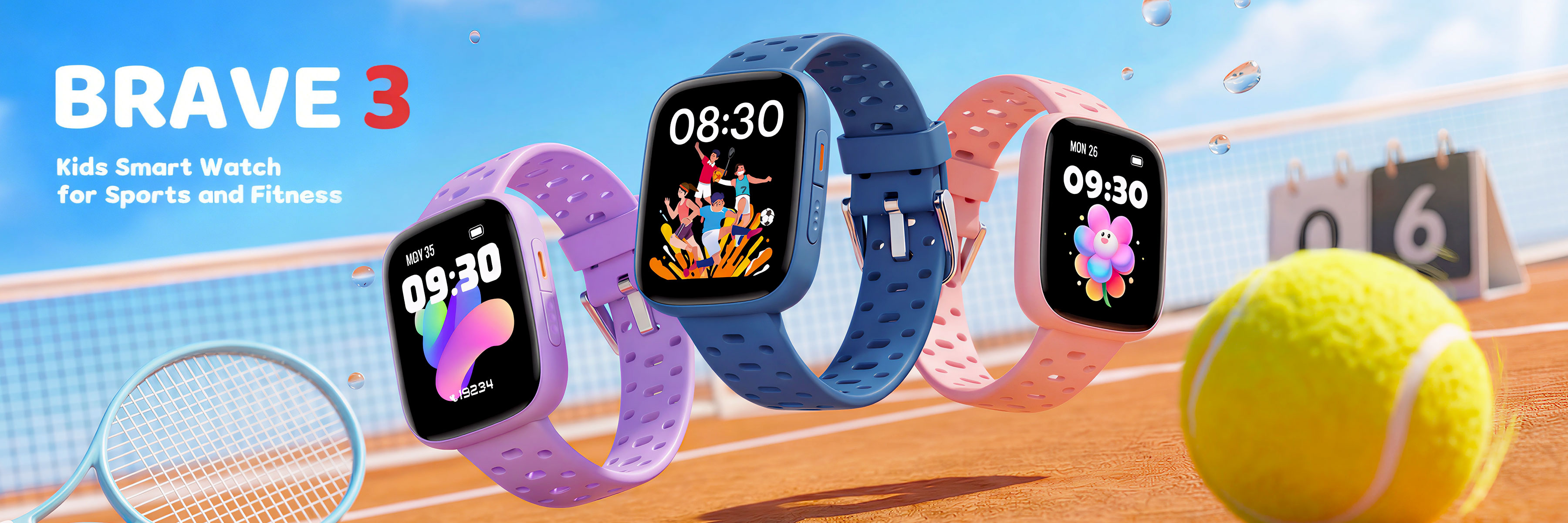
Shopping for watches for kid boy should feel simple: pick something readable, durable, comfortable, and safe enough for daily independence. The best choice gives kids useful routines without turning childhood into constant tracking.
Ready to find a safer first wearable? Explore BIGGERFIVE kids smart watches built for active routines without a phone.
Shop kids smart watches →
5 key steps to pick the best kid’s watch
The right watch is not only about color or screen size. For younger kids, the best wearable is the one they can understand, wear comfortably, and use without parent rescue every ten minutes.
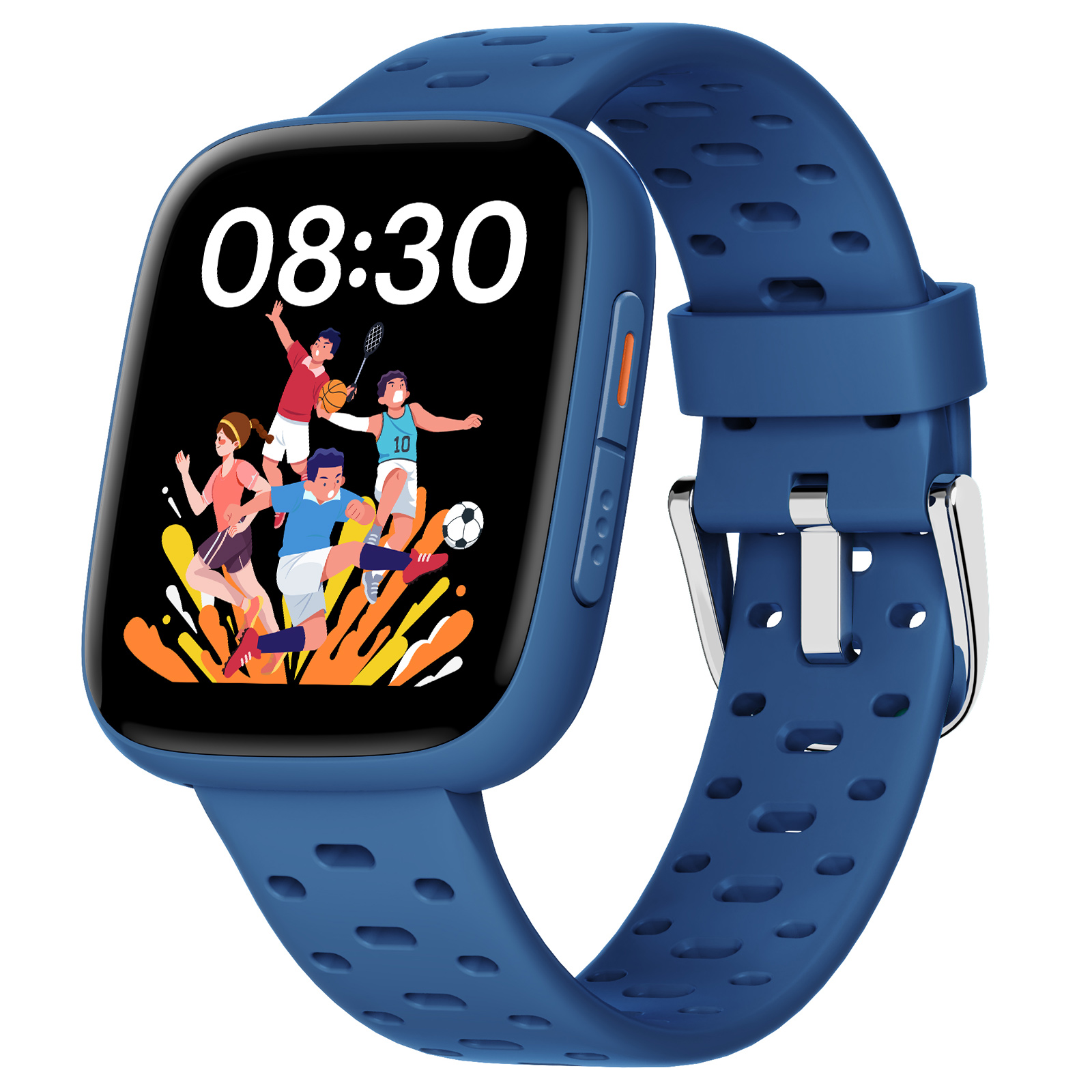
Identify your child’s daily needs
- School routine: time checks, class mode, vibration alarms, and simple menus.
- Outdoor play: step tracking, sports modes, water resistance, and a secure strap.
- Skill level: younger kids need big numbers; older kids may want touch controls and watch faces.
If a child cannot read the screen at a glance or operate the core features alone, the watch will quickly become a parent-managed gadget instead of a confidence-building tool.
Check privacy features first
Many families want helpful routines without GPS tracking, calls, cameras, or always-on cloud syncing. A standalone watch removes many privacy concerns at the hardware level while still giving kids timers, alarms, activity tracking, and fun watch faces.
- Avoid watches that require cellular service for everyday use.
- Skip camera and microphone hardware if the goal is a safer first wearable.
- Prefer app controls that only sync when parents intentionally connect.
Assess durability and comfort
- 3ATM, IP68, or similar water resistance for splashes, sweat, and swim-friendly routines.
- Soft silicone or nylon straps that do not dig into small wrists.
- A lightweight case that survives backpacks, recess, and weekend sports.
Which watch fits different ages?
Age matters because kids’ needs change quickly. A preschooler needs clarity and comfort. A 9-year-old may want alarms and sports modes. A pre-teen often wants a bigger screen, more personality, and better health insights.
Performance comparison for active kids watches
| Feature | Entry Model | Sport Model | Vigor Series | Brave Series |
|---|---|---|---|---|
| Water resistance | Splash safe | 3ATM | IP68 / 3ATM | IP68 / 3ATM |
| Stopwatch | Basic | Yes | Yes | Yes |
| Alarm function | 1 alarm | 1 alarm | Multiple alarms | Multiple alarms |
| Heart rate / sleep | No | No | Selected models | Yes |
| Best fit | First watch | Sports basics | Fitness tracking | Smartwatch experience |
3–5 year-old explorers
Keep things cheerful and easy. Look for big numbers, a comfortable strap, simple buttons, and a durable body. At this stage, the watch should support confidence more than complicated data.
6–9 year-old active learners
This is where alarms, steps, sports modes, and school-time controls start to matter. A kid can begin managing small routines independently while still avoiding smartphone distractions.
10–12 pre-teen adventurers
Older kids usually want more personality: a larger touchscreen, custom watch faces, richer activity modes, and health tracking. The trick is adding capability without adding social feeds or constant connectivity.
No-GPS benefits parents actually care about
Standalone watch vs. cloud-based kids watch
| Feature | Cloud-Based Watch | BIGGERFIVE Standalone Watch | Parent Benefit |
|---|---|---|---|
| Battery life | Often 1–2 days | Up to 5–10 days | Less charging stress |
| Internet required | Usually yes | No for daily use | Works reliably anywhere |
| GPS / camera risk | Higher exposure | No GPS, no camera | More privacy by design |
| Standalone capability | Limited | Full core support | Kids can use it independently |
A good kid boy watch should feel like freedom for the child and peace of mind for the parent.